
Your home is much more than a financial asset; it is the physical backdrop of your daily life, a sanctuary from the outside world, and an expression of your personal style. Over years of homeownership, it is completely natural for needs to shift, styles to evolve, and structural elements to experience wear and tear. When the time comes to update your living space, the sheer volume of choices can feel overwhelming. Many homeowners find themselves paralyzed by decisions or, conversely, jumping headfirst into cosmetic updates without a cohesive, strategic plan.
The secret to a successful home transformation lies in balancing high-ROI structural integrity with personalized, aesthetic comfort. When you approach home improvement holistically, every dollar spent enhances your daily quality of life while simultaneously building long-term equity. Conversely, tackling projects out of order—such as installing brand-new interior drywall before fixing a leaky roof—leads to frustration, wasted budgets, and redundant labor.
Audit Your Shield: How to Evaluate Your Home’s Exterior Defenses

Before diving into interior design catalogs or choosing paint swatches, you must ensure that your home’s exterior envelope is completely secure. The exterior shell of your house is its first line of defense against driving rain, freezing temperatures, pest infestations, and intense solar heat. Neglecting structural degradation on the outside eventually ruins any beautiful work you do on the inside.
When planning a comprehensive home remodeling project, you must adopt an outside-in philosophy. This means addressing the roof, foundation, and wall claddings before tackling interior cosmetics. A systematic approach prevents moisture intrusion and structural shifting from ruining your new interior paint, flooring, and cabinetry.
Begin your exterior audit by inspecting your existing siding for signs of failure. Depending on the material, warning signs can vary significantly:
- Wood Cladding: Look for localized rotting, especially near the ground level, peeling paint, split boards, and soft spots that indicate fungal growth.
- Vinyl Panels: Inspect for deep warping from heat exposure, cracking from impact or extreme cold, and loose panels that rattle in high winds.
- Fiber Cement: Check for delamination, cracking around fastening points, or gaps where boards meet, which can let moisture sneak behind the barrier.
If your exterior envelope shows widespread degradation, it is time to consult with professional siding contractors who can assess the underlying house wrap and sheathing. Upgrading your exterior cladding does more than just revitalize your curb appeal; it provides a prime opportunity to install modern, continuous insulation. This extra thermal layer breaks the thermal bridge created by your wall studs, radically lowering your monthly heating and cooling bills. Furthermore, certified professionals ensure that flashing around windows, doors, and rooflines is seamlessly integrated, eliminating the hidden water leaks that cause structural rot over time.
Brighten the Deep: Converting Dark Basements into Safe, Legal Living Spaces
When homeowners need more room, their initial instinct is often to build an expensive addition out into the yard. However, building outward sacrifices precious outdoor space and requires costly new foundation pours and roof extensions. A smarter, more cost-effective alternative is to look downward and unlock the latent potential of your basement.
Transforming a subterranean storage area into a vibrant, livable zone requires a strict focus on safety, ventilation, and light management. To legally classify a basement renovation as a bedroom, home theater, or rental suite, you must adhere strictly to local building codes regarding emergency escape routes. This is where installing high-quality egress windows becomes an absolute necessity.
An emergency exit window system must meet specific dimensional criteria to ensure a fully equipped firefighter can enter, or an occupant can easily escape, during an emergency. Beyond compliance, these installations completely transform the psychological feel of a lower level by flooding the space with natural sunlight and fresh air.
To successfully execute a lower-level transformation, focus on these actionable design and construction strategies:
- Excavate a Generous Window Well: Do not settle for the minimum legal dimensions for your outdoor window well. Digging a wider, terraced well allows significantly more natural light to bounce into the basement.
- Incorporate Reflective Terracing: Line the interior of the window well with light-colored stone, white gravel, or reflective step-liners. This acts as a natural mirror, channeling sunlight deep into the room.
- Prioritize Heavy-Duty Egress Covers: Ensure the outdoor well is fitted with a sturdy, clear poly-carbonate cover. This keeps out rain, snow, leaves, and wildlife while allowing maximum sunlight to penetrate the glass.
- Establish a Continuous Moisture Barrier: Before framing interior walls, apply a commercial-grade waterproofing sealant to the concrete foundation walls and lay down a subterranean vapor barrier beneath your subflooring to prevent a damp, musty atmosphere.
Design for the Elements: Engineering the Perfect Backyard Entertainment Hub
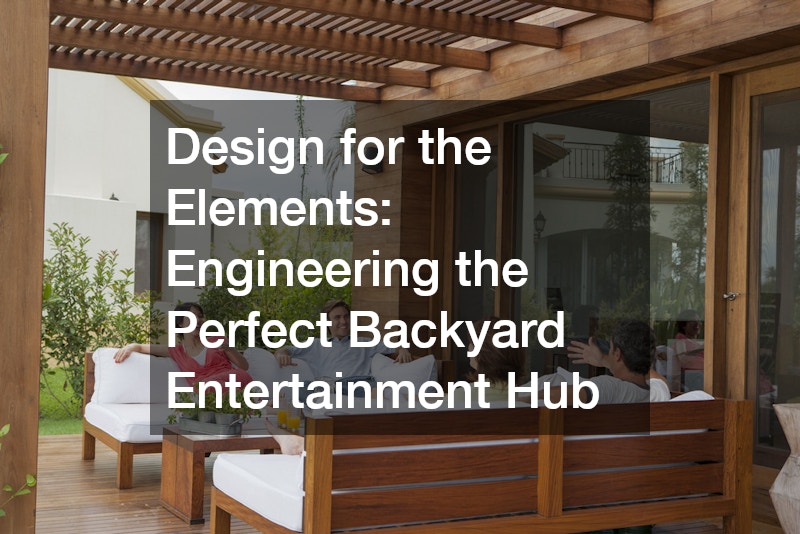
With your structural envelope secured and your interior square footage maximized, you can shift your focus to the great outdoors. Modern residential design treats the backyard as a natural extension of the indoor living room. Creating a seamless transition between these two zones requires a thoughtful blend of hardscaping and overhead architectural elements.
A premium outdoor living space begins from the ground up. While a simple concrete slab might seem like an easy weekend DIY project, professional patio contractors bring invaluable expertise in site grading, soil compaction, and complex drainage systems. Without proper grading, heavy rainfall can pool against your home’s foundation, causing devastating structural damage over time. Professionals ensure that water flows safely away from your living structures while creating a perfectly level, beautifully patterned stone or paver surface that resists shifting and cracking through seasonal freeze-and-thaw cycles.
Once your foundational hardscape is established, you need to manage the overhead elements to make the space usable throughout the day. Integrating custom pergolas into your backyard design provides the perfect balance of architectural beauty, shade, and open-air ventilation.
When choosing an overhead shelter, consider how the design interacts with your home’s architecture:
- Louvered vs. Fixed Slats: Adjustable louvered systems allow you to track the sun throughout the day, closing completely to block rain or opening wide to let in winter warmth.
- Material Selection: While traditional timber offers an authentic, rustic look, powder-coated aluminum options provide a sleek, contemporary aesthetic that never rusts, warps, or requires restaining.
- Architectural Integration: Tying the structure directly into your home’s existing roofline creates a flawless, organic transition, whereas a freestanding pavilion establishes a distinct, destination-style oasis deeper in the garden.
Secure the Perimeter: Framing Your Property for Privacy and Safety

A beautifully designed outdoor entertainment space can only feel like a true sanctuary if it offers a sense of privacy and protection from the outside world. Properly framing your property lines keeps children and pets safely contained, establishes clear boundaries, and shields your private life from the prying eyes of neighbors.
For many decades, wood was the standard material for residential boundary lines. However, wood requires a grueling schedule of pressure washing, scraping, staining, and replacing rotted posts every few years. Homeowners seeking a beautiful, permanent boundary line are increasingly turning to premium vinyl fencing as a low-maintenance alternative. Modern vinyl is engineered with advanced ultraviolet inhibitors, ensuring it will not warp, yellow, split, or rot under intense sun exposure. Cleaning it is as simple as a quick rinse with a garden hose once or twice a year, freeing up your weekends for relaxation rather than tedious property maintenance.
While a fence secures your ground level, you must also look upward to protect your roof and foundation from environmental hazards overhead. Large trees add immense beauty and value to a property, but neglected branches pose a massive liability during severe windstorms. Engaging professional tree trimming services is a crucial preventative measure for any property owner.
When managing the mature trees on your property, focus on these safety and maintenance steps:
- Clear the Roofline: Ensure that all major branches are pruned back at least ten feet from your roof shingles to prevent abrasive scraping and eliminate easy pathways for rodents or insects seeking access to your attic.
- Thin the Canopy for Wind Resistance: Structural pruning removes dead, diseased, or overlapping branches within the interior canopy. This allows high winds to pass safely through the tree rather than catching it like a sail and tearing it out by the roots.
- Protect the Foundation Line: Monitor the root systems of large trees planted too close to the house. Strategic root pruning or root barriers can prevent subterranean growth from cracking your foundation walls or disrupting your patio pavers.
Tailor the Indoors: Masterful Light Control and Textural Layering
Once the exterior structure and outdoor zones are operating beautifully, you can turn your attention inward to refine your daily sensory experience. The mood, comfort, and functionality of an interior room are fundamentally dictated by two elements: how you control natural light and how you integrate soft tactile surfaces.
Windows are the eyes of your home, but raw, uncovered glass often leads to uncomfortable glare, washed-out interiors, and excessive solar heat gain. Investing in high-quality window treatments is essential for tailoring the ambiance of each room to its specific function. For instance, a home office requires precise glare control to prevent eye strain on computer screens, while a primary bedroom demands total blackout capabilities for deep, restorative sleep. Beyond aesthetics, proper window coverings act as an insulating layer, trapping air at the glass surface to drastically reduce your heating and cooling costs.
To bring warmth and a sense of luxury to your seating arrangements, look closely at the textiles and cushions throughout your living spaces. Built-in window benches, breakfast nooks, and accent chairs often come in non-standard dimensions, making mass-produced retail cushions look cheap and ill-fitting. Opting for custom cushions allows you to dictate the exact density of the foam, the precise geometric silhouette, and the fabric performance characteristics.
Consider these material guidelines when selecting interior textiles:
- High-Performance Acrylics: If your seating sits near large windows with heavy sun exposure, choose solution-dyed acrylics that possess built-in UV resistance to prevent premature fading.
- Stain-Resistant Technology: For high-traffic areas like dining nooks or mudrooms, prioritize fabrics treated with moisture-repellent barriers that allow spills to bead up on the surface for effortless cleanup.
- Density Selection: Use high-density polyurethane foam for high-use bench seating to prevent bottoming out, while incorporating a soft down-wrap layer on accent chairs to create a plush, inviting aesthetic.
Ditch the Curtain: Creating a Seamless, Spa-Like Bath Experience

The final piece of the ultimate home upgrade puzzle lies in the master bathroom. Modern interior design has shifted away from purely utilitarian bathrooms, transforming them into luxurious, spa-like sanctuaries where you can unwind at the end of a long day.
The single most effective way to elevate a standard bathroom into a high-end retreat is to completely eliminate traditional, opaque shower curtains or bulky, metal-framed sliding doors. These outdated elements visually chop up the room, making even a large bathroom feel cramped, dark, and claustrophobic. By contrast, a heavy-gauge custom glass shower enclosure creates an uninterrupted line of sight across the entire space. This visual openness instantly makes the room feel twice as large and allows natural architectural light to illuminate every corner of the shower tilework.
When designing a modern frameless glass shower system, several technical details must be executed perfectly to ensure long-term durability and safety:
- Glass Thickness: Insist on tempered glass that is at least three-eighths to one-half inch thick. This heavy-gauge material provides a substantial, premium weight when opening the door and minimizes structural flexing.
- Hydrophobic Protective Coatings: Ensure the glass is treated with a factory-applied hydrophobic barrier. This molecular coating repels water, soap scum, and hard mineral deposits, making regular maintenance incredibly easy.
- Heavy-Duty Brass Hardware: Anchor the heavy glass panels using solid brass clips and hinges anchored directly into structural wall blocking behind the tile. Match the hardware finish to your sink and shower fixtures for a cohesive look.
- Curbless Entry Design: For a truly seamless aesthetic, configure a zero-threshold curbless entry where the bathroom flooring flows completely uninterrupted straight into the shower zone.
Transforming your home from a standard living space into a high-performance, aesthetically stunning sanctuary requires a thoughtful blend of structural vigilance and artistic design. By systematically addressing your home’s needs—from the outer defense of your siding down to the crisp, modern elegance of a frameless glass bathroom—you protect your financial investment while curating an environment that perfectly supports your lifestyle.
True luxury is found in the details: the way natural light filters through a beautifully dressed window, the security of a well-maintained property line, and the peace of mind that comes from knowing your home is structurally sound from the outside in. As you look forward to your next home improvement project, remember to plan carefully, invest in high-quality materials, and collaborate with trusted professionals who can bring your unique structural vision to life.