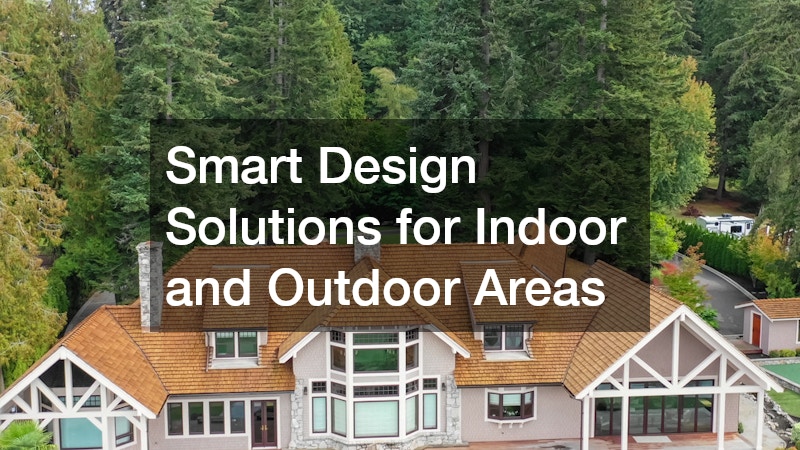
Home design is no longer just about aesthetics—it’s about creating spaces that are functional, safe, and comfortable for daily living. Smart design solutions integrate indoor and outdoor areas to enhance usability, improve energy efficiency, and boost long-term property value. Whether remodeling a bathroom, updating a kitchen, or transforming a backyard, every improvement should serve a purpose beyond visual appeal. Thoughtful planning, professional guidance, and attention to detail ensure that spaces are not only stylish but also resilient and practical.
By understanding how different elements—such as structural systems, lighting, outdoor features, and material choices—interact, homeowners can make informed decisions that prevent future issues. This guide explores actionable strategies for indoor and outdoor design, focusing on key areas where improvements provide safety, comfort, and aesthetic appeal. Incorporating regular maintenance and seasonal updates further ensures that these improvements remain effective over time, maximizing both the functionality and beauty of the home while protecting long-term investment.
Optimizing Kitchen and Bathroom Spaces
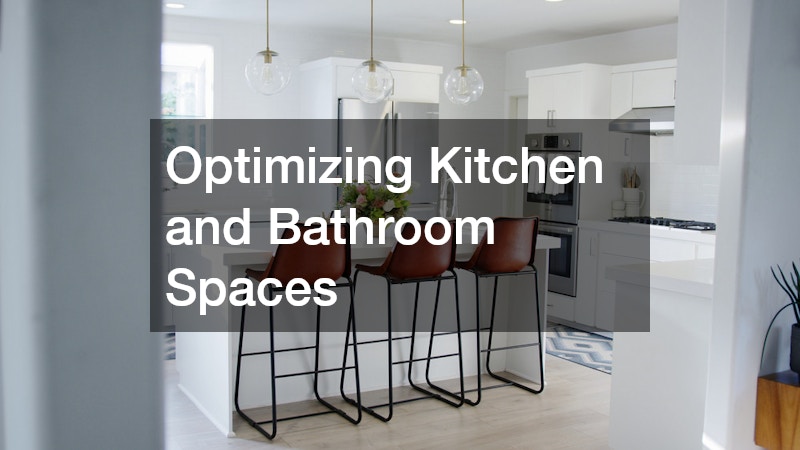
Maximizing the efficiency and functionality of kitchens and bathrooms requires careful planning. These spaces often experience high traffic and heavy use, making them critical areas for both comfort and safety. Small oversights can lead to wasted space, inefficient workflows, or even potential hazards. This is why it is important to find the right bathroom and kitchen remodeler to help avoid these oversights.
Thoughtful layout design ensures that movement between appliances, sinks, and storage areas is smooth and intuitive. Incorporating adequate lighting, accessible storage, and durable surfaces not only improves usability but also minimizes the risk of accidents. Planning for ventilation, water management, and easy cleaning further enhances both safety and long-term functionality. By anticipating daily needs, homeowners can create spaces that are practical, comfortable, and enjoyable for everyone.
Assessing Layouts for Maximum Efficiency
Start by evaluating your current layout:
- Identify bottlenecks in kitchens, such as appliances blocking pathways.
- Check for awkward placements of sinks, toilets, or showers in bathrooms.
- Consider ergonomic principles to reduce strain during cooking or cleaning.
Choosing Durable Materials and Finishes
- Select moisture-resistant materials for bathrooms to prevent mold and water damage.
- In kitchens, prioritize countertops and cabinetry that withstand daily wear and spills.
- Opt for finishes that are easy to clean without sacrificing style.
Enhancing Aesthetics with Functional Upgrades
- Update lighting for task and ambient purposes.
- Add storage solutions like pull-out shelves or corner cabinets.
- Use professional services to ensure precise installation, improving both durability and appearance.
Professional bathroom remodelers and kitchen remodelers can bring expertise in layout optimization, material selection, and installation techniques. Their guidance ensures that upgrades are practical, safe, and aligned with modern design trends.
Choosing a Reliable Remodeling Partner
Selecting the right contractor is crucial for any successful home improvement project. A local remodeling contractor can guide homeowners through design decisions, regulatory requirements, and construction challenges, ensuring a smooth process.
A trustworthy contractor also helps homeowners avoid common pitfalls, such as cost overruns, delays, or substandard workmanship. They bring professional insight into material selection, project sequencing, and budgeting, while coordinating multiple trades to maintain efficiency. Clear communication, written agreements, and regular progress updates further ensure that projects are completed on time and meet both safety and aesthetic expectations, giving homeowners confidence in the results.
Evaluating Credentials and Experience
- Verify licensing and insurance to protect against liability.
- Review portfolios and client testimonials to gauge reliability and quality.
- Confirm experience with projects similar in scope and style.
Planning and Budgeting Effectively
- Ask for detailed cost estimates and project timelines.
- Prioritize repairs or upgrades that address safety, energy efficiency, or structural integrity first.
- Include contingencies for unexpected challenges.
Communication and Oversight
- Establish clear lines of communication to track progress and address concerns promptly.
- Request regular updates and inspections to ensure adherence to plans and standards.
Hiring a trusted remodeling contractor reduces the risk of delays, subpar workmanship, and budget overruns, while providing peace of mind throughout the project.
Enhancing Outdoor Safety and Space
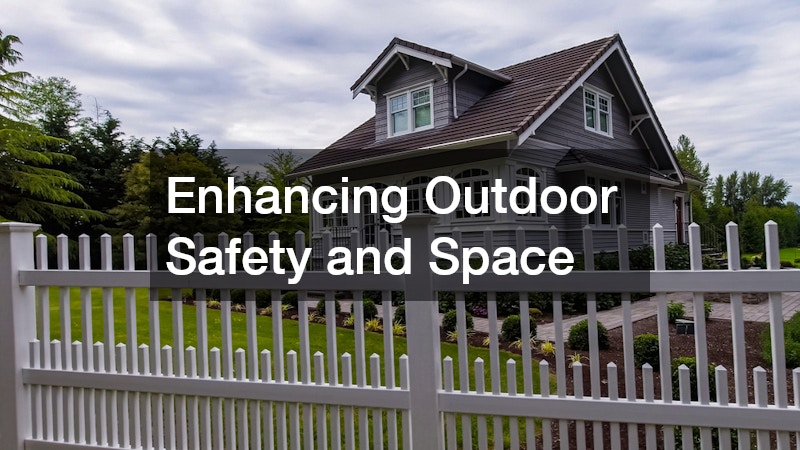
Outdoor spaces require careful planning to ensure both beauty and safety. Trees, hardscaping elements, and uneven terrain can pose hazards if not properly managed.
Assessing the layout of the yard, walkways, and seating areas helps prevent accidents and improve overall usability. Incorporating proper lighting, non-slip surfaces, and clear pathways enhances safety, while strategic placement of trees and landscaping elements can prevent damage to structures or utilities. Regular maintenance and inspection further ensure that outdoor areas remain both functional and visually appealing year-round.
Removing Hazards and Maximizing Safety
- Employ a professional tree removal service to remove dead, diseased, or dangerously positioned trees.
- Inspect the property regularly for low-hanging branches or unstable plantings.
- Address uneven walkways and slippery surfaces to prevent accidents.
Planning Functional Hardscaping
- Use patios, retaining walls, and pathways to organize outdoor spaces.
- Consider multi-level designs to manage slopes and water runoff.
- Select durable materials that resist weathering and minimize maintenance.
Creating Outdoor Zones
- Define areas for dining, relaxation, and recreation.
- Incorporate lighting and seating strategically for both safety and ambiance.
- Connect indoor spaces with outdoor areas for seamless flow.
Working with a hardscaping company can help translate design ideas into functional, long-lasting outdoor solutions. Their expertise ensures structural stability and aesthetic coherence across all outdoor projects.
Creating Lasting Outdoor Features
Long-term enjoyment of outdoor areas depends on durability and thoughtful integration with overall property design. Hardscaping services and local fence companies play key roles in creating functional and visually appealing spaces.
Choosing Fencing Solutions
- Select fencing materials that balance security, privacy, and design aesthetics.
- Coordinate fencing with landscaping to maintain a cohesive appearance.
- Ensure proper installation to withstand weather and time.
Enhancing Usability with Hardscape Elements
- Include walkways, patios, or retaining walls to organize space and prevent erosion.
- Use fire pits, seating areas, or garden beds to create versatile zones.
- Plan for drainage and accessibility to ensure year-round functionality.
Maintenance for Longevity
- Inspect fences, gates, and hardscape features regularly.
- Address minor wear or damage promptly to avoid costly repairs.
- Choose materials that require minimal upkeep without sacrificing appearance.
Strategically integrating fencing and hardscaping enhances outdoor safety, extends the life of investments, and creates cohesive, enjoyable environments that complement indoor living areas. A local fence company can help greatly with finding and installing a fence that meets the right criteria for you.
Maximizing Natural Light and Views
Proper window placement and glass solutions dramatically affect indoor comfort, energy efficiency, and aesthetics. Natural light enhances mood, reduces energy costs, and visually expands spaces.
Incorporating large windows, glass doors, or strategically placed skylights can transform dark interiors into bright, inviting areas. Thoughtful use of window treatments, reflective surfaces, and landscaping ensures light is maximized while maintaining privacy. Additionally, natural views can be framed to create a stronger connection with outdoor spaces, improving both the ambiance and perceived spaciousness of a home.
Improving Indoor Lighting and Ventilation
- Use glass services to install large windows, glass panels, or sliding doors.
- Optimize window orientation to maximize natural light without increasing glare or heat.
- Consider energy-efficient glazing to reduce heating and cooling costs.
Safety and Compliance with Egress Windows
- Install egress windows in bedrooms for emergency escape routes.
- Ensure windows meet local building codes for size, placement, and accessibility.
- Coordinate with indoor and outdoor design to maintain visual appeal.
Design Integration
- Balance privacy needs with openness to outdoor views.
- Combine window placement with landscaping or hardscape elements to frame scenery.
- Use shading, blinds, or frosted glass where needed for comfort.
Glass services and egress window installation enhance safety while improving both indoor ambiance and connection to outdoor spaces.
Designing Functional and Stylish Bathrooms
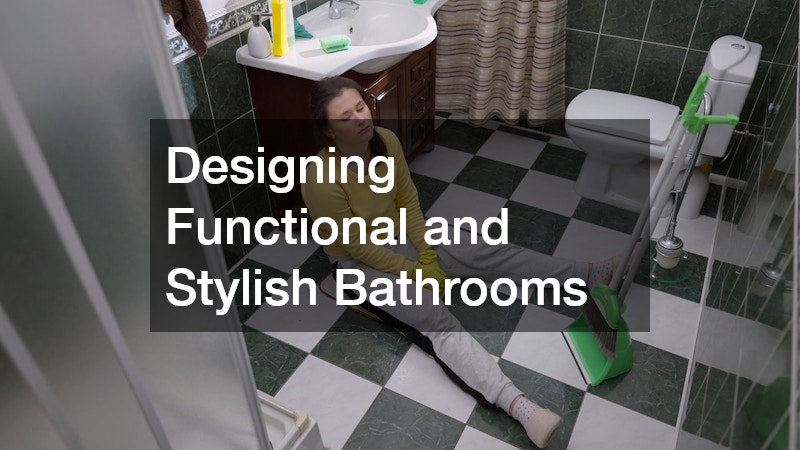
Bathrooms are one of the most frequently used spaces in a home, and thoughtful design directly impacts both comfort and safety. Incorporating functional layouts and high-quality materials ensures that bathrooms are not only visually appealing but also practical and long-lasting.
Selecting Custom Shower Doors
- Custom shower doors enhance aesthetics while improving water containment.
- Choose tempered glass and corrosion-resistant hardware for durability and safety.
- Sliding, pivot, or frameless designs can optimize space and match your bathroom style.
Coordinating Features for Flow and Accessibility
- Align sinks, toilets, and storage for an efficient workflow.
- Ensure accessibility by adding grab bars or non-slip flooring where needed.
- Use lighting and mirrors strategically to enhance safety and perceived space.
Partnering with Professional Remodelers
- A skilled bathroom remodeler ensures proper installation, preventing leaks or structural damage.
- Professionals help select materials that balance design, maintenance, and longevity.
- They can advise on emerging trends, maximizing both comfort and resale value.
Thoughtful bathroom design that integrates functional custom features and professional expertise creates a safe, comfortable, and stylish space for everyday use.
Integrating Indoor and Outdoor Design
A cohesive home connects indoor and outdoor areas, enhancing flow, usability, and visual appeal. Smart design solutions ensure that transitions between interior and exterior spaces feel natural and functional.
Creating Visual Continuity
- Match color palettes, materials, and finishes between indoor and outdoor areas.
- Extend flooring or accent elements like wood or tile from indoor spaces to patios.
- Use landscaping, fences, or outdoor furniture to complement indoor design themes.
Functional Connections
- Install sliding or French doors for easy indoor-outdoor access.
- Plan patios, decks, and pathways that naturally connect to the main living areas.
- Incorporate seating or dining areas to extend indoor comfort outdoors.
Safety and Efficiency
- Ensure outdoor spaces are well-lit and accessible.
- Use hardscaping and fencing to define boundaries and minimize hazards.
- Regular maintenance of doors, glass panels, and outdoor structures preserves functionality.
Integrating indoor and outdoor design improves usability, boosts property appeal, and creates a harmonious environment for everyday living and entertaining.
Budgeting and Planning for Smart Design Projects
Strategic planning and budgeting are critical to achieving desired outcomes while avoiding unnecessary expenses. Proper allocation of resources ensures that safety, functionality, and aesthetic goals are met.
Prioritizing Projects
- Address safety-critical upgrades like structural repairs or egress windows first.
- Plan high-use areas such as kitchens, bathrooms, and outdoor living spaces before decorative projects.
- Balance cost, durability, and aesthetic impact when choosing materials and features.
Phased Implementation
- Break projects into manageable stages to reduce financial strain.
- Coordinate contractors to avoid conflicts or delays between indoor and outdoor projects.
- Schedule renovations around seasonal or lifestyle considerations for minimal disruption.
Monitoring Costs and ROI
- Maintain a contingency fund for unexpected repairs or design adjustments.
- Track all expenses, including materials, labor, permits, and professional services.
- Focus on upgrades that enhance long-term home value, such as kitchen remodels, hardscaping, and energy-efficient windows.
Effective budgeting and planning allow homeowners to complete projects efficiently, ensuring that design improvements are both functional and visually appealing.
Maintenance and Long-Term Care of Home Improvements
The longevity of remodeling projects depends on ongoing maintenance. Regular inspections and care prevent minor issues from becoming costly repairs, keeping homes safe and comfortable.
Maintaining Structural and Outdoor Elements
- Inspect roofs, fences, decks, and hardscape features for wear or damage.
- Schedule tree removal services to prevent overgrowth or hazards.
- Ensure drainage and grading prevent water accumulation around outdoor structures.
Caring for Interior Upgrades
- Clean and maintain kitchen and bathroom surfaces to avoid mold or deterioration.
- Check doors, glass panels, and egress windows for alignment and functionality.
- Repair minor scratches, dents, or water damage on the flooring promptly.
Professional Maintenance Services
- Engage local remodeling contractors or specialized service providers for complex inspections or repairs.
- Schedule periodic HVAC, plumbing, or electrical check-ups to support overall home safety and efficiency.
- Use preventive maintenance to extend the life of all investments, from custom shower doors to hardscaping elements.
Consistent care not only preserves the aesthetic and functional value of home improvements but also safeguards the health and comfort of occupants.
Smart design solutions for indoor and outdoor areas transform homes into functional, safe, and visually appealing spaces. Thoughtful planning and execution of kitchen and bathroom remodels, strategic use of windows and glass, and well-designed outdoor features improve comfort, safety, and overall property value.
By partnering with qualified professionals—bathroom remodelers, kitchen remodelers, local remodeling contractors, hardscaping service providers, and local fence companies—homeowners can ensure high-quality results while avoiding common mistakes. Incorporating tree removal services, egress windows, and custom shower doors strategically enhances safety, usability, and long-term enjoyment.
Regular maintenance, from flooring care to roof inspections, preserves investments and prevents costly emergencies. Coordinating indoor and outdoor design creates a seamless living environment, maximizing functionality, aesthetics, and energy efficiency. Ultimately, combining professional guidance, smart materials, and proactive care allows homeowners to create resilient, comfortable, and stylish spaces that serve both immediate needs and long-term goals. Thoughtful design and consistent upkeep ensure a home that is safe, functional, and beautiful for years to come.